Animation Again and Then Do Your Ultimate
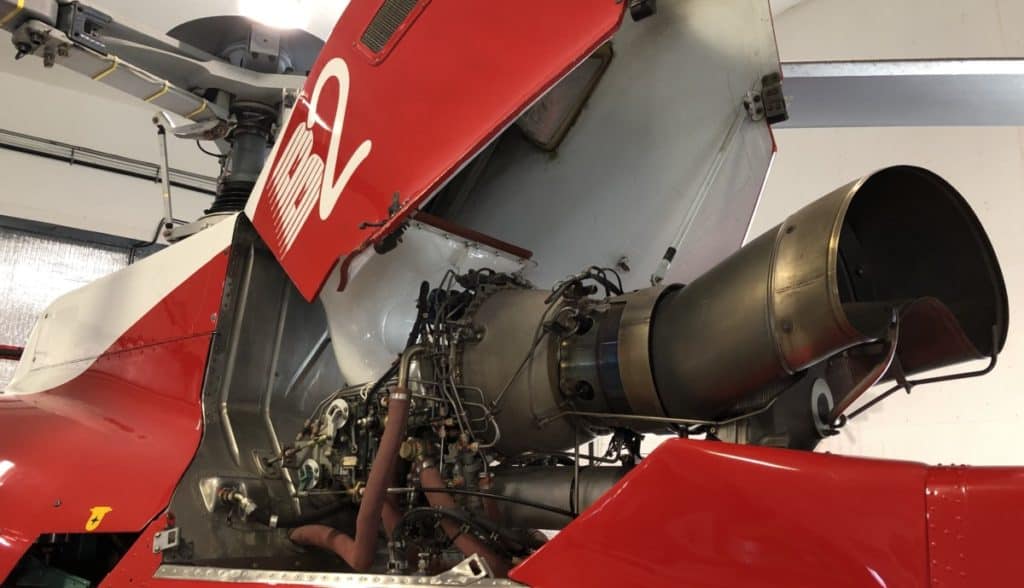
There is no uncertainty that helicopters are an incredible piece of engineering science, just without their engines, they would be useless. Providing an engine that is lightweight, powerful, fuel-efficient, and reliable is paramount for it to work successfully in a helicopter.
Helicopter engines can be either piston or gas turbine turboshaft. Air is drawn in, compressed, mixed with fuel, ignited, then the rapid expansion of the gas is harnessed to turn a drive shaft which is fed to the chief transmission. The engines use gasoline (Avgas) or Kerosine (Jet A1) to power them.
The size of the helicopter volition dictate which blazon of engine and how many of those engines are used. There are pros and cons to each blazon of engine, but both types are highly engineered and well-tested to ensure they meet the highest quality standards – If they didn't, there is no style I would strap my butt to ane!
Permit's take a look at these dissimilar types of helicopter powerplant…
Types of Helicopter Engine
As briefly mentioned, there are 2 types of helicopter engine:
- Piston or Reciprocating Engine
- Gas Turbine Turboshaft Engine
This commodity will break down each engine type, how information technology works, the components that make it work, and how it drives the helicopter.
Piston Helicopter Engines:
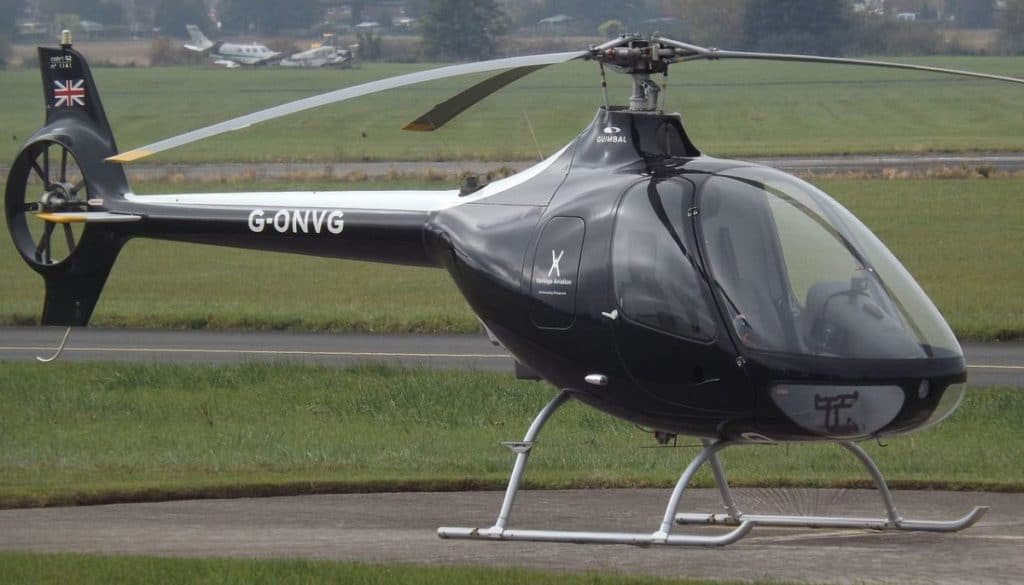
Piston helicopter engines are used mainly in today'south smaller, modern helicopters up to around v seats and weighing no more than than around 2500 lbs (1135 kg). Before the advancement in gas turbine engineering, piston engines were used in bigger helicopters like the early on model Westland Whirlwind HAR.5s of the 1950s.
Today's helicopter piston engines are commonly iv or 6 cylinders, horizontally opposed designs running on aviation gasoline, more usually known as Avgas. They are incredibly reliable, but heavy compared to the ability they create. For this reason, they are limited to the smaller helicopters.
How Exercise Piston Helicopter Engines Work?
The piston engine on a helicopter is very similar to the engine in your car. Air is sucked into the engine through a carburetor, or an air intake for the models that are fuel injected. This type of engine is a 4 stroke engine, which has 4 stages of functioning.
Once the engine has started:
- Intake Stage – As each piston in its respective cylinder is fatigued down past the crankshaft, a valve (Intake Valve) at the height of the cylinder is opened and air is sucked into the cylinder along with atomized fuel – Both are measured to provide the optimal ratio of fuel to air.
- Compression Stage – One time the piston reaches the bottom of the cylinder it then begins to rising back up the cylinder. At this point, the intake valve closes and seals the cylinder. This causes the fuel/air mixture to get increasingly compressed as the piston rises.
- Power Stage – Merely equally the piston reaches the acme of its travel a spark plug fires and ignites the explosive fuel/air mixture. This causes the gas to speedily aggrandize and dramatically increase its pressure, forcing the piston dorsum downward the cylinder.
- Exhaust Stage – The piston reaches the bottom and momentum and the other cylinders firing cause crankshaft to keep rotating and the piston begins rise support its cylinder. At this betoken, another valve (Exhaust Valve) opens to let the spent gas to leave the cylinder. As the piston reaches the top of its travel, the frazzle valve closes and the cylinder is ready for the next cycle.
The animation yous see is simply one of the iv or half-dozen cylinders that make upwards a typical helicopter engine. The other deviation is that the cylinders prevarication horizontal with the crankshaft running through the centre of the engine block. This allows the engine to exist compact and cooled hands because the tops of the cylinders can exist placed into airflow more easily by the helicopter designer.
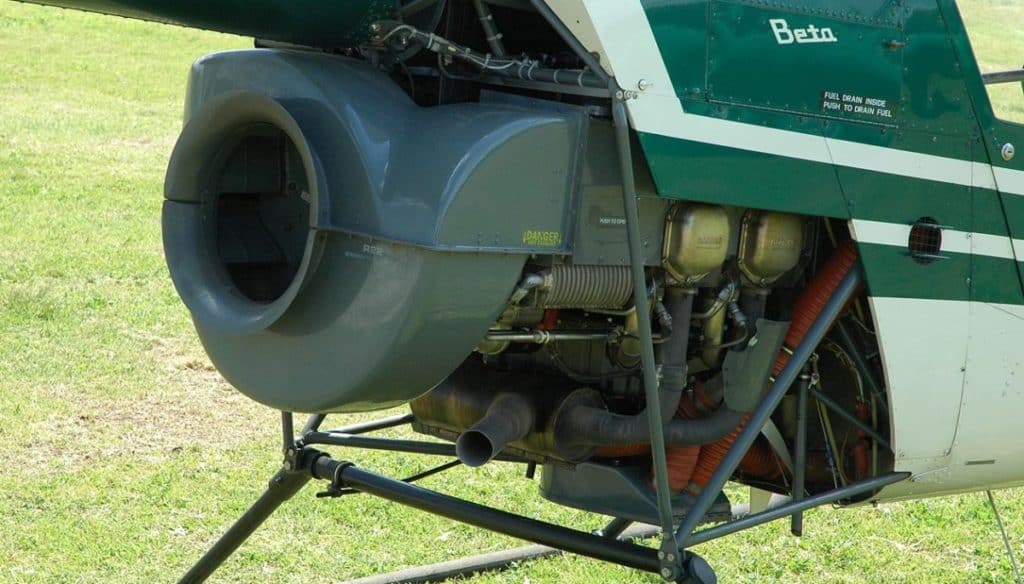
In this image, yous can see the two right-manus cylinder covers (Bronze Colored Squares) of this 180hp, derated to 145hp Lycoming O-360 engine. To create enough cooling airflow, Frank Robinson (The original designer of this helicopter) created this fan shroud that pulls in air from the large round air inlet, goes through an engine-driven, squirrel-cage fan, and so blows across the cylinders to keep them cool, specially when the helicopter is hovering and there is no airflow from forward flight.
The crankshaft from the four pistons then connects to the drive system to power the helicopter.
How Does a Piston Helicopter Engine Bulldoze The Transmission?
One time the engine starts, its driveshaft begins to immediately start rotating. The master problem here is that to become the main rotor system turning as before long as the engine starts would be also much elevate on the engine and information technology would non start.
So, to allow the engine to easily kickoff the helicopter'south main drive arrangement is disconnected from the engine until the pilot activates the drive-engagement system.
The master style that a piston helicopter connects to the drive system of the helicopter is by a belt drive.
A grooved pulley is continued to the engine and a 2nd grooved pulley is connected to the input driveshaft for the transmission. When the helicopter starts, the five-belts are loose, allowing the engine caster to rotate without driving the v-belts.
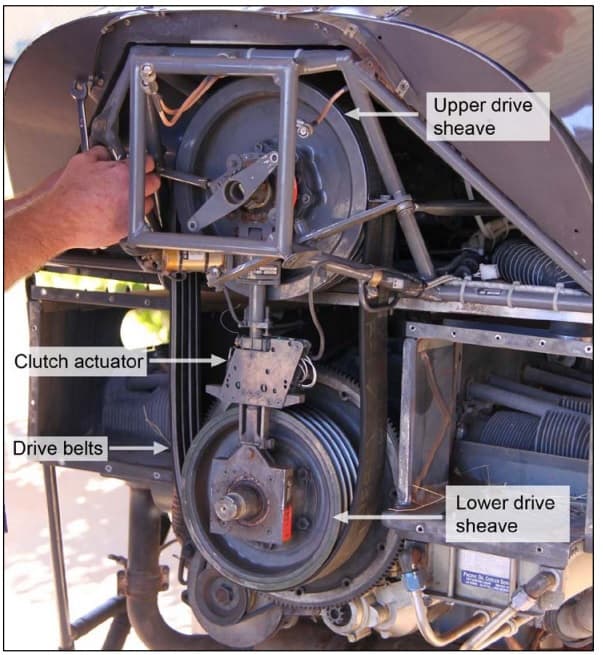
Once the engine has started, the pilot activates the 'Bulldoze-Engagement' system via a switch on the instrument console. In that location are a few dissimilar chugalug tensioning systems on piston helicopters but they all practise the same task.
The system will so begin to tighten the 5-belts, either by activating a motor and gearbox to button the ii pulleys away from each other, thus tightening the v-belts, or by an electrical linear actuator that moves an idler pulley and pulls the v-belts tight.
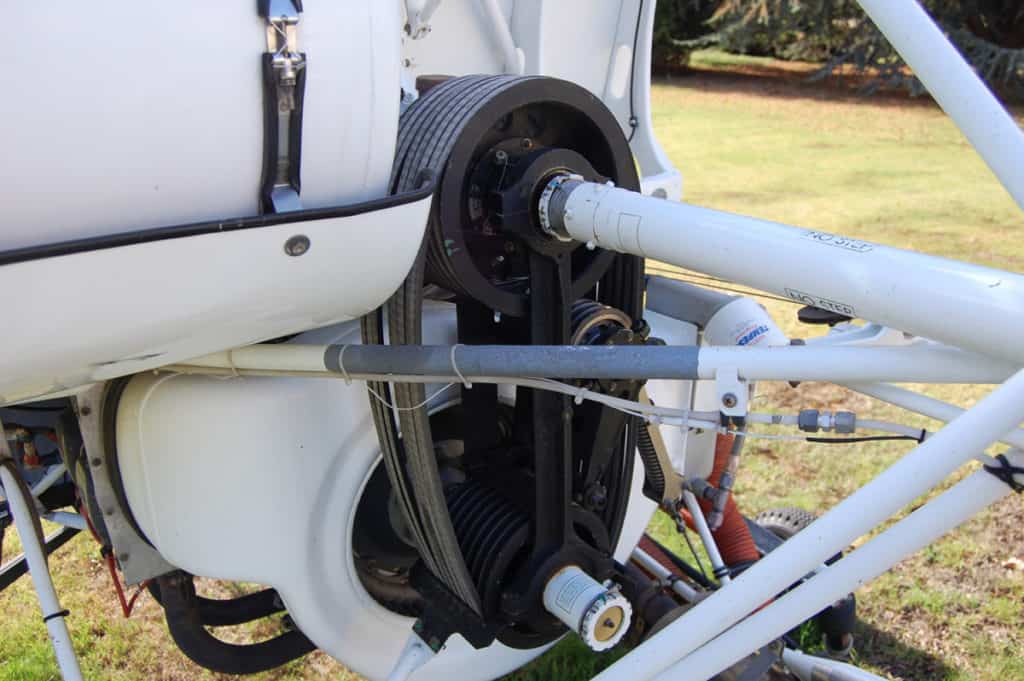
Once activated, the system volition stay locked to continue the right tension on the belts. Some systems, like those on the Robinson helicopters, monitor the belt tension and will automatically adjust the pulleys when in flight to maintain proper tension.
Later on the pilot has landed at the terminate of the flight, they volition de-activate the tension organisation via the switch, and the motor will remove the tension from the v-belts, thus allowing the engine to be shut downwardly while the main rotor is still spooling down.
Components of a Piston Helicopter Engine
Many of the piston engines used in todays helicopters are very similiar in design. They come in either carburated or fuel-inected models depending on they helicopter model.
Here are the main components of a typical helicopter piston engine:
Engine Block
Comprising of four or 6 cylinders, depending on the model, mounted flat at 180° to i another, known every bit 'Horizontally Opposed'.
In the image you lot see here is a Lycoming O-360 reciprocating aircraft engine. This ane is mounted to a Piper PA-28 airplane, but it is the same that powers the Robinson R22 Beta 2 series of helicopters. This image gives a swell view of its layout.
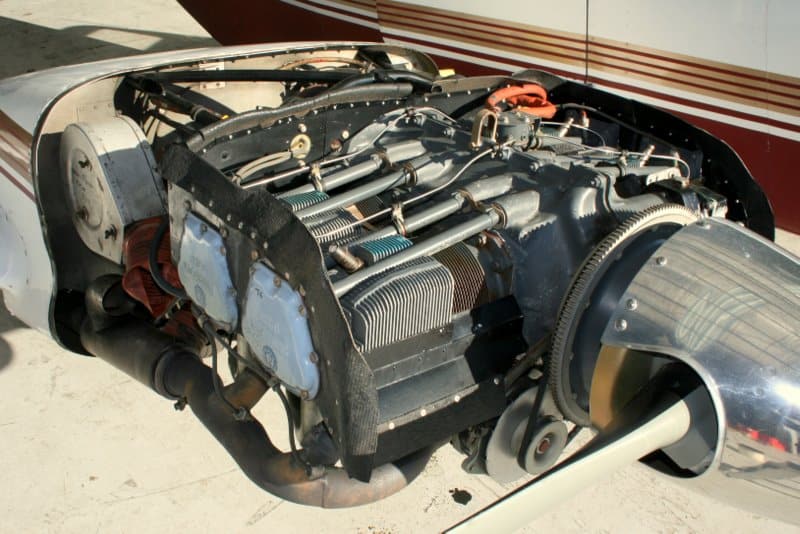
The crankshaft runs through the middle of the engine block, the same as the camshafts that operate the intake & exhaust valves. Instead of where the propeller connects to the shaft, a vee pulley is connected in the helicopters. The two tubes running to each cylinder are the pushrods that open and close the intake and exhaust valves, and the fins you see about the ends of the cylinders are to give each cylinder maximum surface area for cooling.
Starter Motor
Does exactly what it sounds like. When the pilot turns the ignition key to 'Start' or presses the 'Start Button' the starter motor extends a toothed gear and starts it rotating under very high torque.
On the image higher up you can come across the teeth surrounding the border of the large flywheel. It's these teeth that the starter motor engages with and beings to turn the engine over. The starter motor is hidden from view on the far right side of the engine.
Once the engine fires upward, the push or fundamental is released past the pilot, and the starter motor retracts its gear from the flywheel and stops rotating. The starter motor is no longer required for the residuum of the flying.
Alternator
The alternator is driven past a small v-belt off the main crankshaft. You can see the alternator just to the bottom left of the propeller in the photo above. The chore of the alternator is to produce DC electrical power every bit soon as the engine crankshaft starts rotating.
The electrical ability it generates is used to power all the aircraft lights, radios, GPS, instrumentation, and whatsoever electrical systems like the Drive-Appointment System, likewise referred to every bit the 'Clutch'.
The second job the alternator has is to charge the battery. Subsequently every engine start the bombardment voltage becomes lower. To preclude the battery from becoming discharged over time and to be able to start the helicopter every time, the alternator recharges the battery during flight.
Magnetos
Magnetos are an engine-driven, electrical ability-producing device used to provide free energy to the spark plugs to make them spark. There are two magnetos on the helicopter engine and each one operates independently of the other.
There are two spark plugs in each cylinder. One magneto supplies energy to i spark plug in each cylinder and the second magneto supplies energy to the other spark plug in the cylinders. Think of it equally a set of upper spark plugs and a set of lower spark plugs. One magneto supplies the upper plugs, the other supplies the lower plugs.
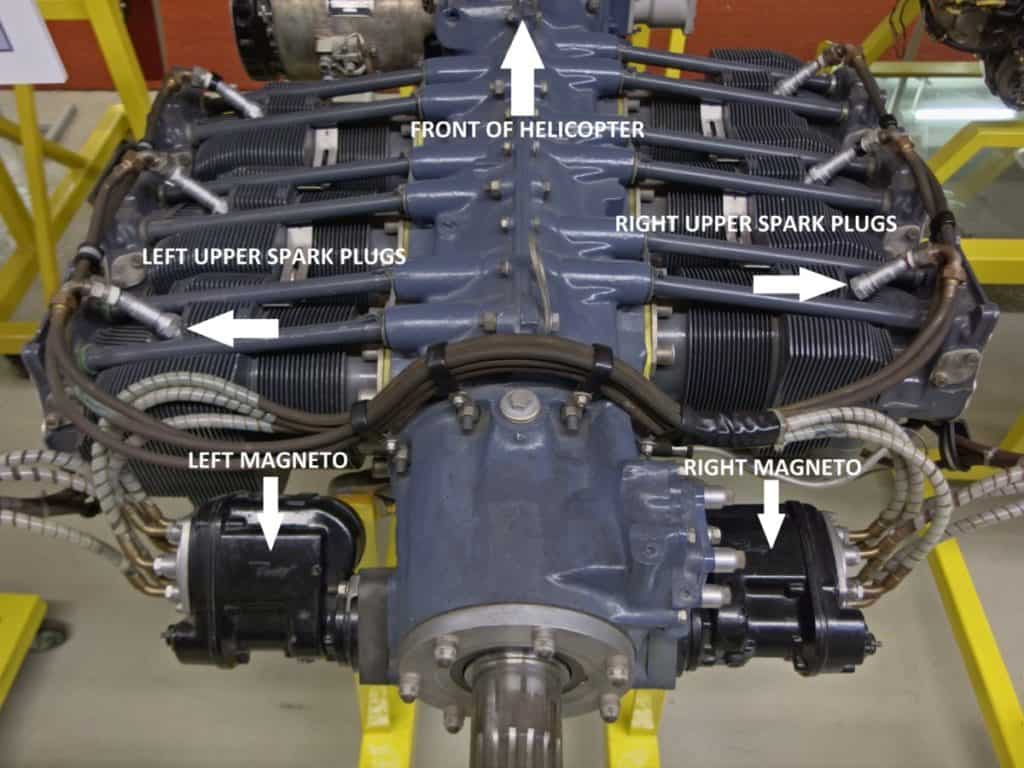
Having the two independent systems allows for redundancy. If 1 fails, the other system tin can proceed the engine running, albeit not as efficiently, simply enough to get the helicopter dwelling house at slightly reduced ability.
The nice things nigh the magnetos are that as long as the engine is turning, they will be producing the spark free energy. They practice not crave whatsoever other outside influence which makes them not bad devices every bit they will all the same continue to operate if the shipping has a total electrical failure.
Carburetor Oestrus
For the normally aspirated helicopter engines, they use a carburetor to mix the fuel and air to the correct ratio earlier it gets sent to the cylinders for combustion. When the helicopter requires more power, the carburetor's butterfly valve opens and the suction from the intake stroke of the cylinders pulls in more than air, by doing so, the venturi upshot on the fuel line, pulls more fuel in too.
More Air and Fuel = Bigger Bang = More Ability
When the air passes through the carburetor information technology naturally cools as part of the venturi process and it tin can cool by equally much every bit twenty°C. The trouble with shipping is that when they climb in altitude the ambience air temperature becomes colder. Once the shipping begins to ingest cold, moist air water ice tin brainstorm to grade in the carburetor. Left to build, the ice volition brainstorm to close the gap used to ingest air and starve the engine of air and shut it down – Non good!
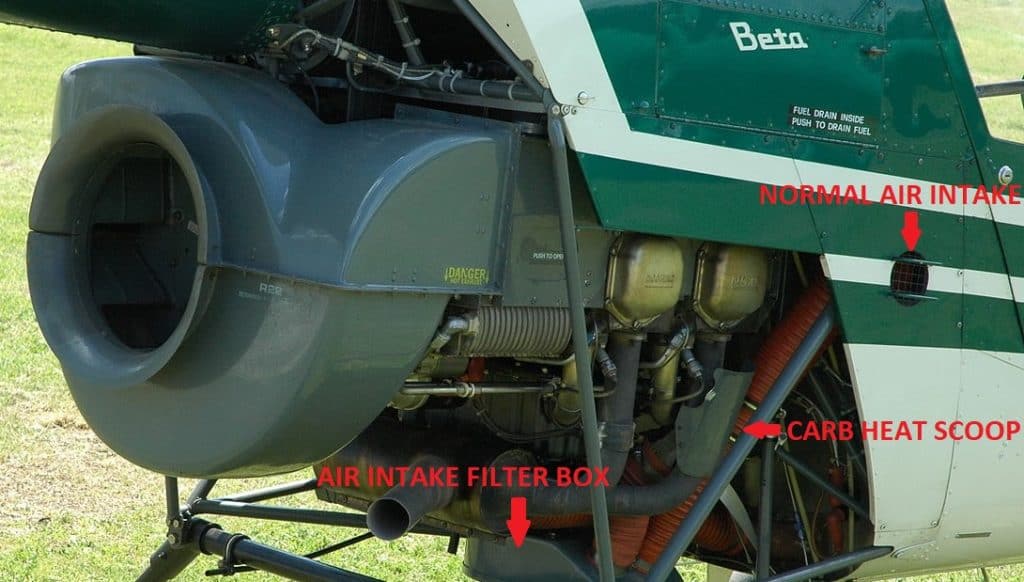
To overcome this, a simple scoop collects hot air from around the engine frazzle and directs it to the air intake of the carburetor. This increases the temperature of the air going into the carb and tin either forbid the ice build-upwards or help cook the water ice.
The carb heat organization is monitored past the pilot via a temperature gauge. The yellowish arc dictates when temperatures are prime for carb icing.
The system is activated past pulling a lever in the cockpit to direct the warm air into the carb.
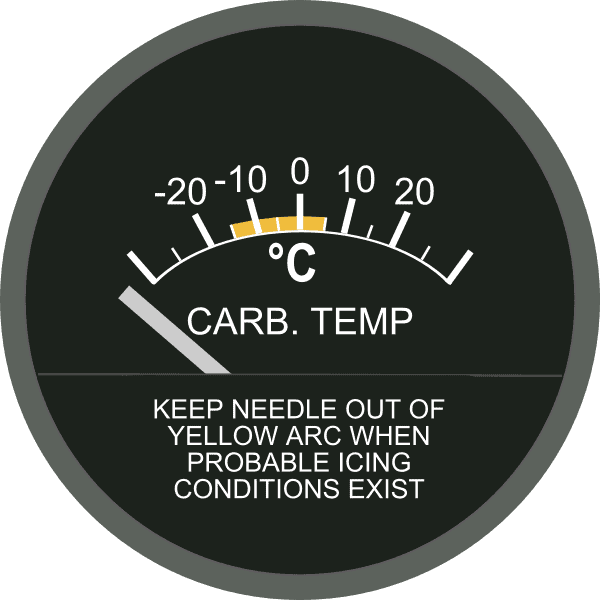
The carb air heat system is used before any reduction in power changes are made as the warmer air going into the engine reduces the power it produces.
1 infinitesimal – thirty seconds earlier reducing power, the flight transmission recommends activating the system to cook any ice before the butterfly valve begins to close as the pilot reduces power. If ice is present, the gap between the butterfly valve and the wall of the carb tin can exist completely closed off equally the valve closes – This will cause the engine to stop.
A uncomplicated system that works well WHEN used correctly by the pilot. Many pilots have been killed due to carb icing when they forgot to activate the system before reducing power and their engine quit from air starvation.
Fuel Injection System
For increased engine performance many helicopter engines come up with a fuel injection organization rather than a carburetor system. I of the primary benefits of a fuel injection system is that information technology helps eliminate whatever icing problems of the carb because there is no carb!
Fuel injection is exactly what it sounds like – It's a system that injects fuel directly into each cylinder. The fuel is metered and injected at the right time in the 4 stroke bicycle via a fuel nozzle that atomizes the fuel as information technology dispenses.
The arrangement uses a fuel pump to pressurize the fuel coming from the tank. Information technology then goes through a valve that is also linked to the air intake valve, so when the airplane pilot requires more power, it opens both the air intake and fuel flow valves to permit more air and fuel to pass into the engine.
The fuel is so sent to a distribution unit that directs information technology to the right cylinder at the correct time. The air still goes to each cylinder via the air intake valve. Instead of mixing the air and fuel in the carburetor, the mixture is now mixed straight in the cylinder.
Because the fuel is metered and dispensed, increased performance and efficiency can be accomplished using electronic systems to monitor and control the fuel menses to each cylinder.
Gas Turbine Helicopter Engines
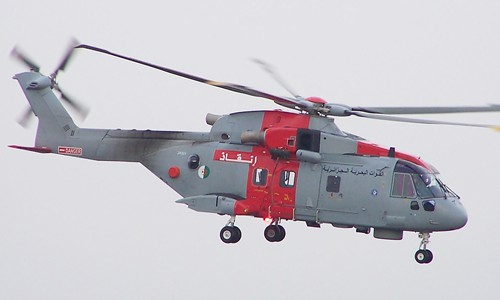
The gas turbine engine is the powerhouse of helicopter propulsion. The lightweight, compact design and loftier power output brand them perfect for installation in a helicopter – Only they are not cheap! Even the minor ones starting time at the same cost as an entire piston-powered helicopter!
The type of gas turbine engine used in helicopters is called a 'Turboshaft' gas turbine and this ways that it harnesses the engine'due south power and and then sends that ability to a drive shaft which the helicopter can and then use to drive the transmission arrangement.
Helicopters can have 1, 2, or even 3 gas turbine engines installed depending on their weight and pattern. Let's go accept a look…
How Do Gas Turbine Helicopter Engines Work?
There are two types of gas turbine engine blueprint used in helicopters.
one. The offset is the Allison series that uses a kind of reversing airflow blueprint:
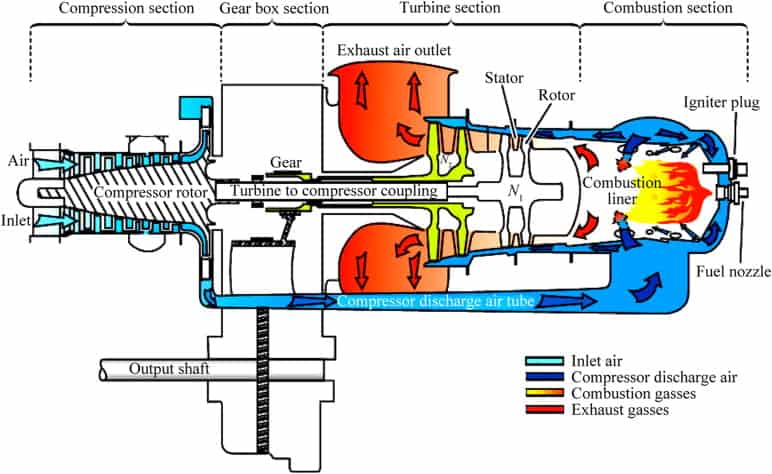
Air is pulled in from the front end, sent to the back of the engine then moved through the middle of the engine, and then exhausted out of the top. This blazon of engine is very common on Bell helicopters.
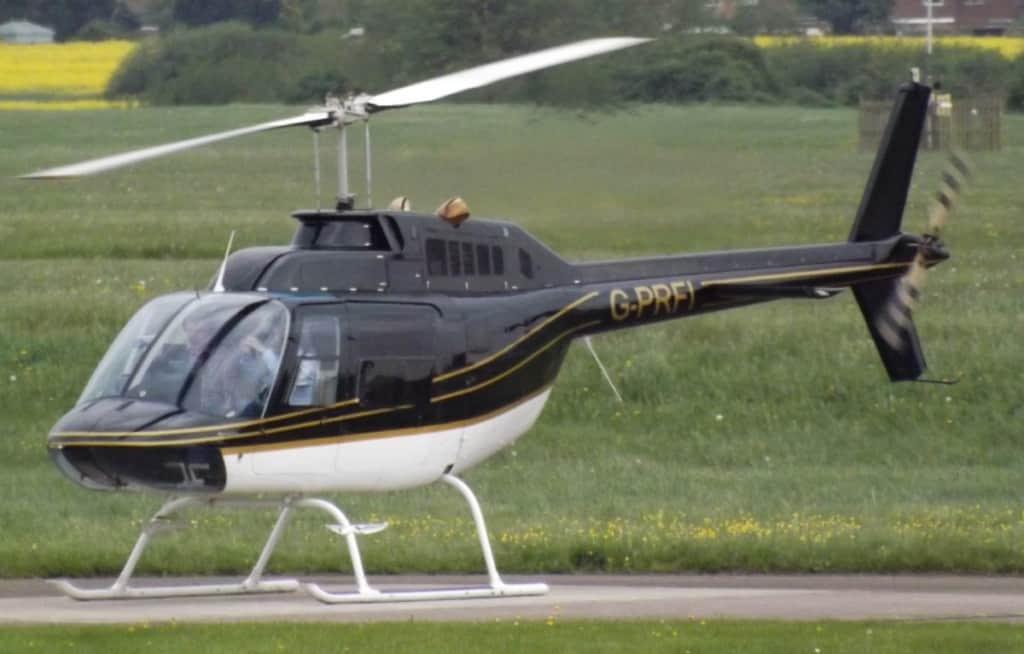
2. The 2nd kind of gas turbine is more of a straight-through airflow design and is more than widely used:
Air enters through the intake and moves direct though the engine before exiting out the dorsum.
Both engines employ the aforementioned operating principle, just differ on how their components are laid out physically.
Gas turbine engines work past pulling air into the front of the engine by a compressor. Almost turboshaft helicopter engines have a ii-stage compressor. This compresses the air, heats information technology, and increases its velocity.
The compressed air is and so sent into the combustion chamber where information technology is mixed with atomized jet fuel and ignited. Once the engine is running the fireball keeps the engine cocky-sustaining providing the fuel keeps coming.
The gas rapidly expands and is pushed through the gas generator turbine/southward. These turn in the airflow and connect to the compressor on the front of the engine. This keeps the compressor turning to bring in more air to keep the engine running.
After passing through the gas generator turbine, the gasses pass through the ability turbine/s. The power turbines are not connected to anything in the engine except a gearbox that feeds a drive shaft that is used to drive the helicopter transmission. This is where the ability is harnessed.
After passing through the power turbine/s the gas exits the exhaust of the helicopter.
Providing fuel is constantly added the engine feeds itself and stays running in an endless cycle. If more ability is required, more fuel is added which makes a bigger bang, which spins the gas producer turbine faster, which spins the compressor faster, pulling in more air to mix with the increased fuel.
More Air and Fuel = Bigger Bang = More Power
How Does a Gas Turbine Helicopter Engine Drive The Manual?
Depending on the blueprint of the engine volition depend on how the power is harnessed from the engine. Some turboshaft engines will have the power turbine connected to a gearbox that drives a drive shaft, or some tin send a driveshaft out of the front end or dorsum of the centerline of the engine which can then be inserted into a gearbox mounted on the engine.
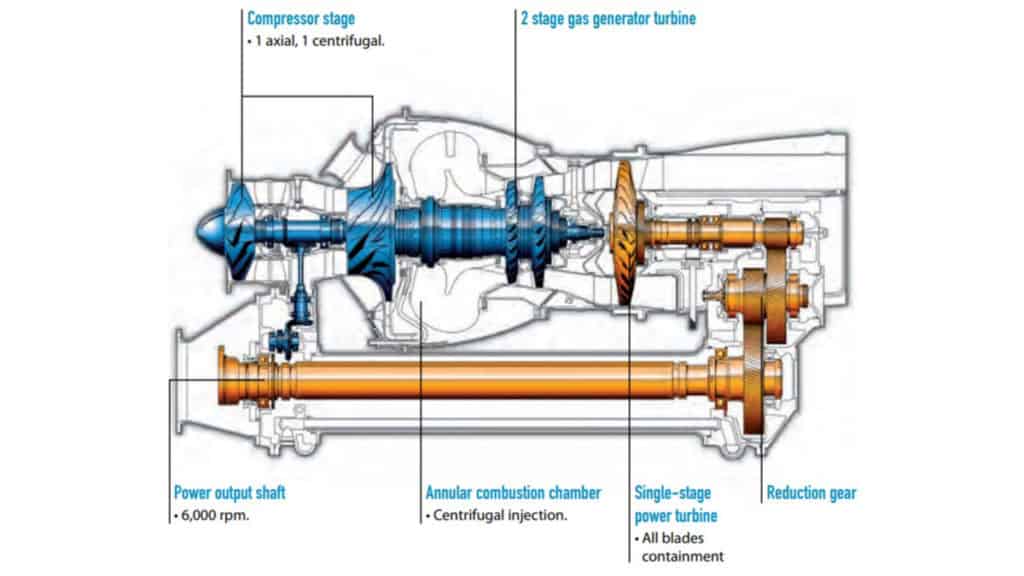
In the diagram below, the power turbine connects to the reduction gearbox right backside the power turbine. Drive (Orange) can be accessed from both the front and rear of this engine.
In the diagram beneath, the power turbines transport a driveshaft through the middle of the engine, and the reduction gearbox is located at the front of the engine. Drive (Orange) can only exist accessed at the front of the engine:
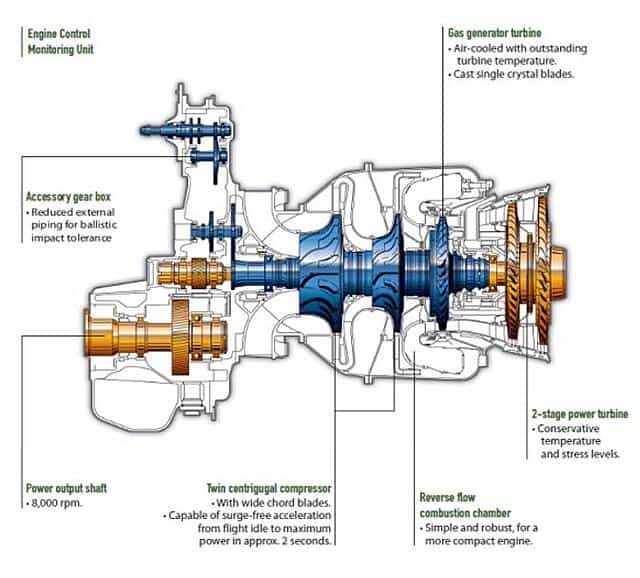
In one case the drive of the engine is accessed it is then but a affair of mounting a drive shaft between the engine and main transmission of the helicopter. When two engines are used they are mounted side by side and each driveshaft feeds into either side of the main transmission.
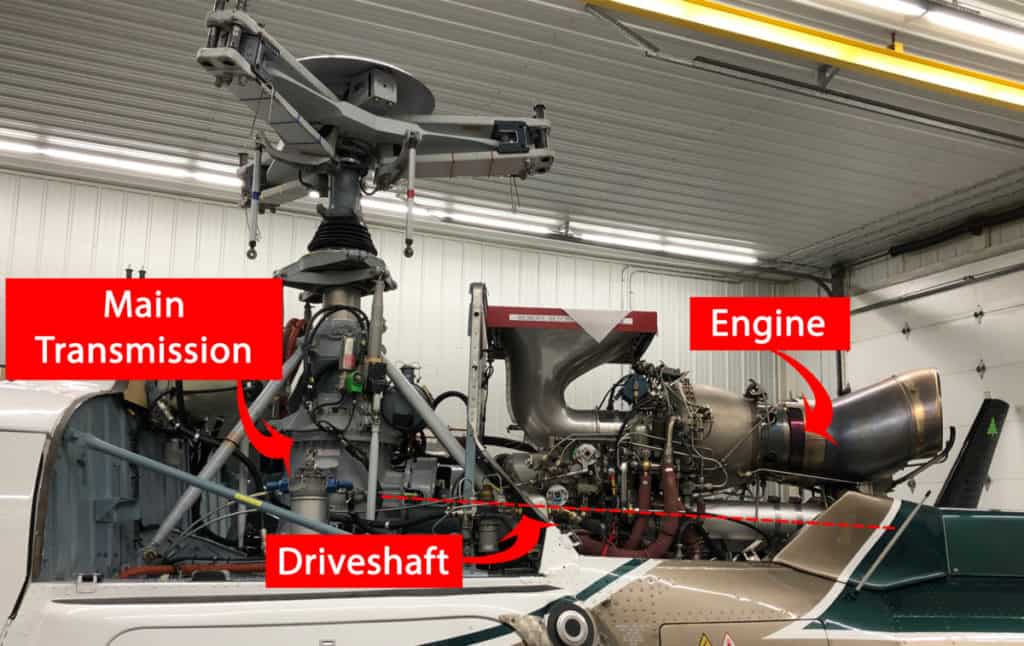
Unlike piston-powered helicopters, helicopters with a gas turbine engine exercise not need a clutch system to carve up the engine from the manual. Gas turbines let the engine to start and begin rotating without turning the main rotor system considering the Ability Turbine/s are known equally complimentary turbines.
Even though the rest of the engine components are turning, the power turbine/s are only continued straight to the main transmission and volition only turn when the gas flow through them is powerful plenty to overcome the elevate of the transmission. When the engine get-go starts, the menstruation of gas through the power turbine/s is low in volume, the air just passes through the ability turbine blades without imparting whatsoever force onto them.
As the engine rpm increases during start, the volume of air passing through the power turbine increases, and at around 25% engine rotational speed, the gas flow volition be stiff enough to begin rotating the ability turbine, which then drives the transmission, which in turn drives the primary & tail rotors.
Components of a Gas Turbine Helicopter Engine
Although gas turbine engines await complex, their operation is quite simple. The components that make up a gas turbine engine are engineered to very tight tolerances to be able to handle the immense speeds and temperatures these things operate at.
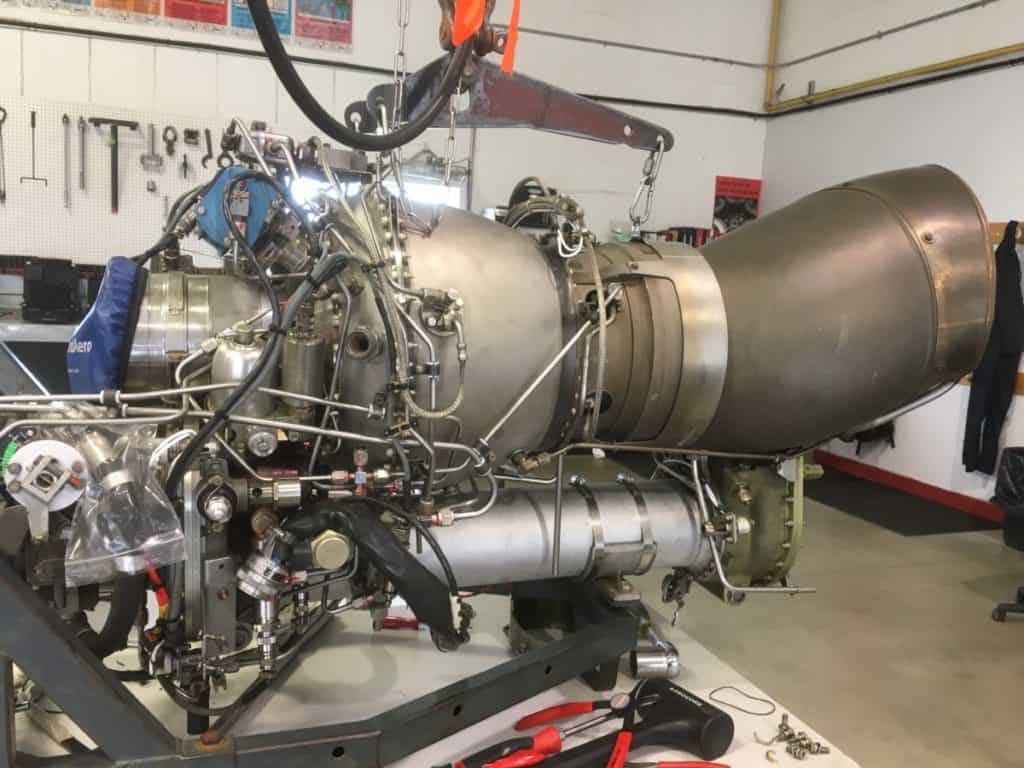
For this explanation, we will look at the Arriel 1D1 engine that powers the AS350 B2 Astar. This is the one I'm currently flying and have lots of pictures of to help explain. Allow's showtime at the front of the engine and work our way through:
Compressors
Nigh gas turbine helicopter engines consist of a pair of compressors at the very front of the engine. The commencement compressor is an Axial Compressor. This compressor'due south job is to suck in the air and begin to increment its pressure level and velocity. It also smooths out the airflow ready for it to enter the second compressor – The Centrifugal Compressor.
The centrifugal compressor then increases the air force per unit area once again and raises its temperature earlier it enters the combustion chamber.
Both compressors are mounted to the aforementioned shaft and spin together every bit ane unit. Their speed is controlled by the Gas Generator Turbine (More on this later).
Bleed Valve
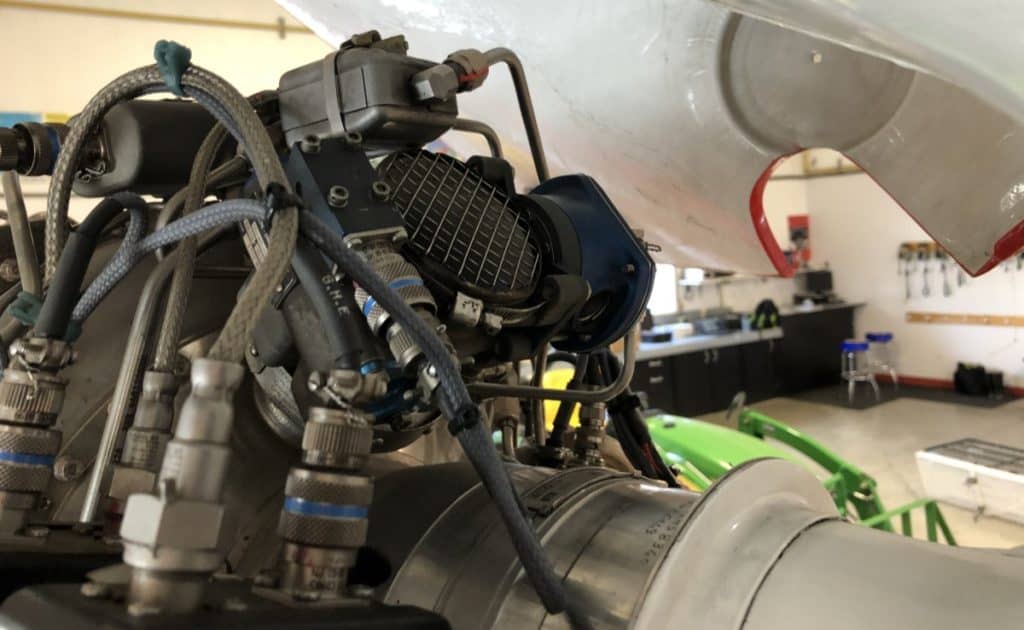
The bleed valve is located on top of the engine between the axial and centrifugal compressors.
The compressors of the engine are designed to piece of work at maximum efficiency when at high RPM. During start and low ability settings, the air flowing through the compressors is very tedious and tin can cause the rotor blades of the compressors to aerodynamically stall.
To foreclose the stall the drain valve is held open by a spring to unload the compressor at engine start, acceleration, and low power settings. By doing this the compressor senses less restriction and runs more efficiently. As the engine rpm increases the valve is closed using air pressure generated past the engine. It'south a fully automatic system and works very well.
Combustion Chamber
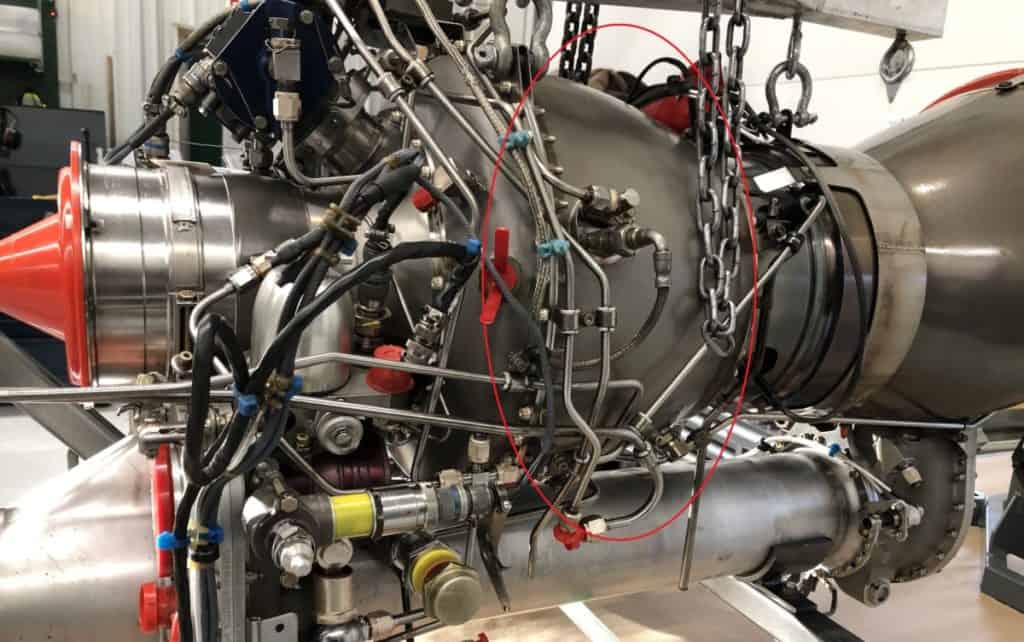
In one case the air has been prepared by the compressors it enters the combustion chamber where atomized jet fuel is metered into the chamber from ii fuel nozzles.
During engine outset, the fuel and air mixture is ignited by two spark plugs. Once the engine reaches effectually 45% of its operating rpm the fireball in the combustion chamber is self-sustaining. At this point, the spark plugs are turned off for the residue of the flight. Providing fuel keeps entering the combustion chamber the fireball will stay lit.
As the fuel/air mixture is ignited it chop-chop increases its volume and the only way for it to escape is towards the back of the engine.
Fuel Command Unit
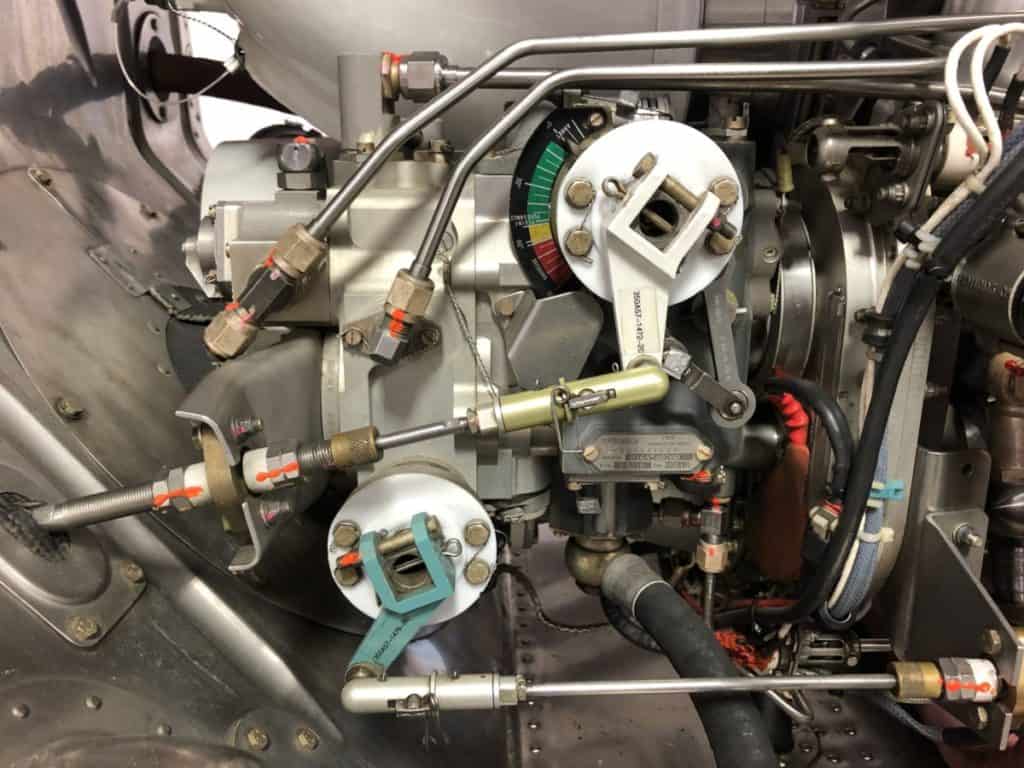
The fuel control unit sits on the front, lower part of the engine and is driven off the engines' Accompaniment Gearbox. Fuel enters the control unit from boost pumps located in the helicopter fuel tank. The fuel control unit of measurement itself is a complex eye of the engine, but ill try and keep it simple to understand!
The fuel control unit is operated past two requirements:
- The Fuel Control Lever (Upper Linkage) – This is used for starting and accelerating the engine up to flying RPM. Once at flight RPM, the lever stays in that position for the remainder of the flight.
- The Collective is what the pilot uses to climb and descend the helicopter. As the bract pitch increases on the master rotor blades they create more than elevate. To continue the main rotor spinning at its optimal rpm of 390 rpm more ability is required. The commonage lever is connected to the flight controls and the fuel control unit (Lower Linkage) to request more than fuel for more power and less fuel for less power.
Equally the fuel is metered information technology is delivered under pressure to the two fuel nozzles mounted on the sides of the combustion chamber.
Gas Generator
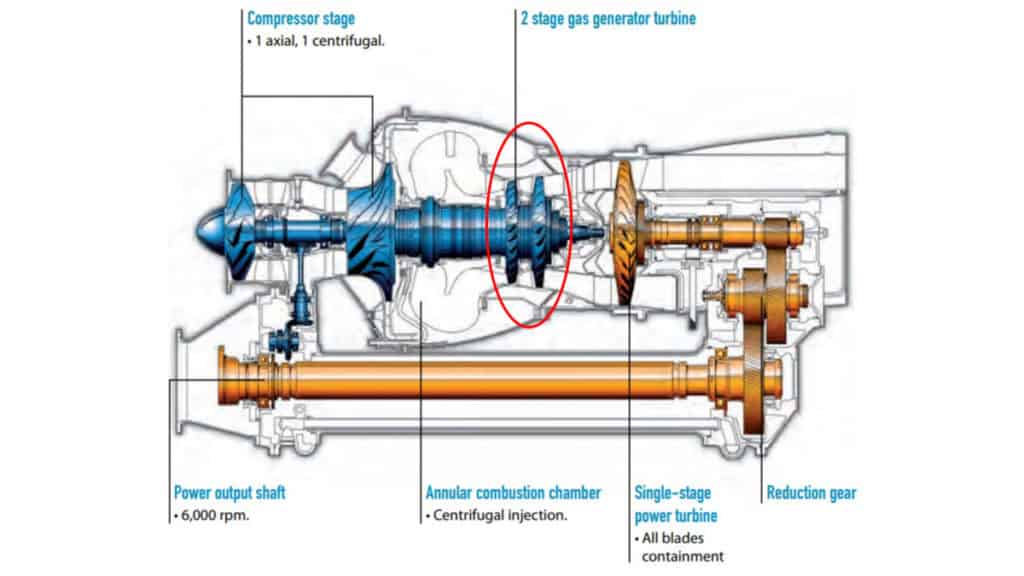
The gas generator turbine or turbines, depending on the engine model are mounted directly later the combustion sleeping accommodation. As the rapidly expanding gas is trying to exit the engine it passes through the blades of this turbine.
Every bit the air forces its style through the turbine it rotates it. The job of the gas generator is to bring in the required amount of air into the engine to lucifer the amount of fuel requested and delivered past the fuel control unit.
The gas generator turbine/s is also mounted on the aforementioned shaft equally the two compressors, so as more fuel is added and the bang gets bigger, more air passes through the gas generator, spinning it faster, thus turning the compressors faster to suck in more than air. This is what keeps the engine cocky-sustaining and is a constant bike rather than a 4 step cycle of the piston engine.
Power Turbine
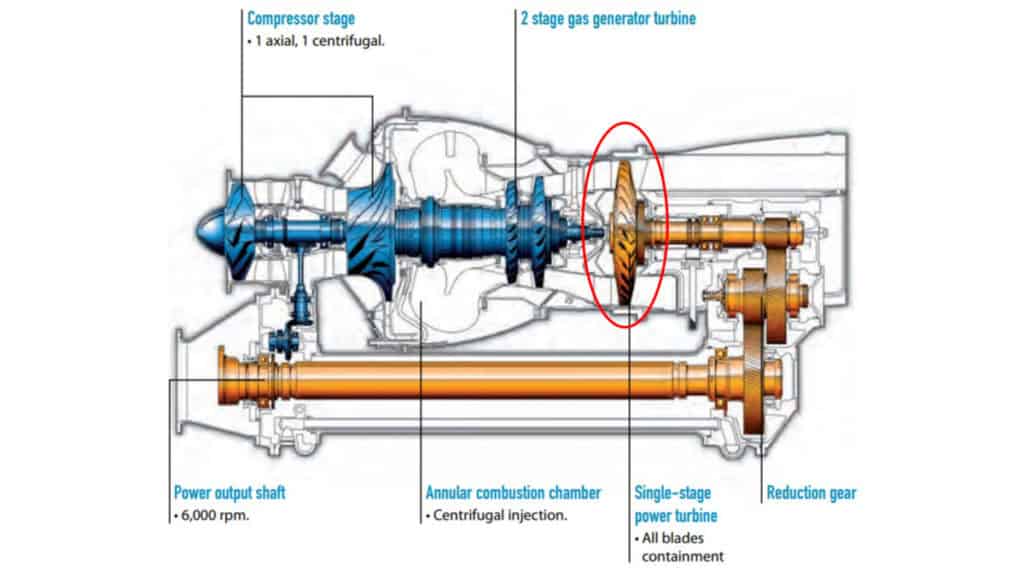
This is where the power of the engine is harnessed to drive the principal manual of the helicopter.
The power turbine is non connected to the engine components before it. It is what is known as a 'Free Turbine'. Just like the operating principle of the gas generator, information technology uses the airflow forcing its manner through it to rotate it. Some gas turbine engines can take just a single power turbine, while other engine designs can accept multiple turbines.
At low engine rpm, the gas flow is non enough to rotate the power turbine. This allows the engine to start freely without driving the principal transmission continued to the engine. Every bit airflow reaches effectually 25% of its operating rpm the airflow through the ability turbine is enough to overcome the friction and elevate of the manual and principal rotor blades and begins to turn.
As the power turbine begins to rotate information technology connects to a shaft that enters the Reduction Gearbox. The gas then exits the engine and is vented to temper.
Reduction Gearbox
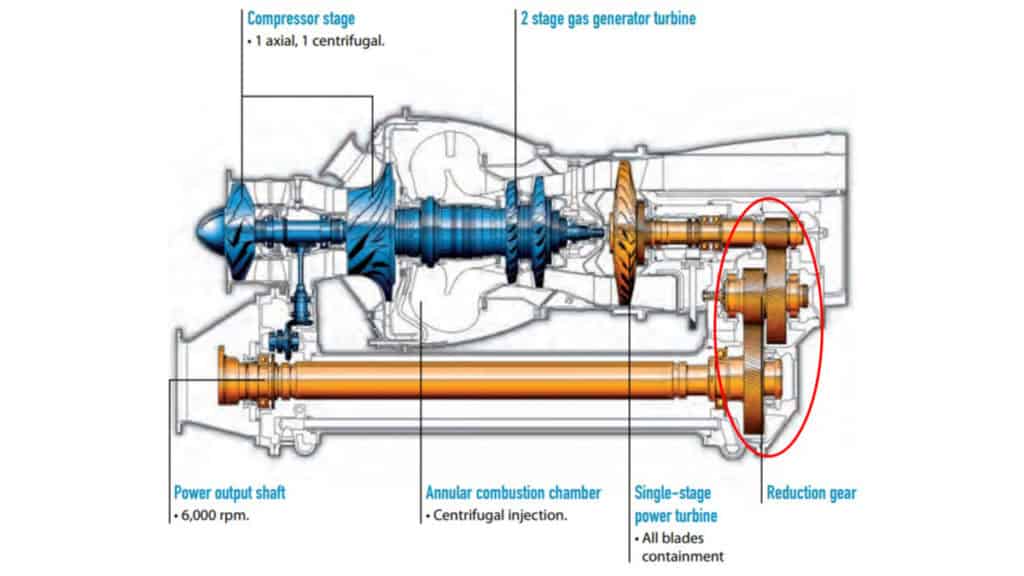
The main job of the reduction gearbox is in its name. The RPM of the power turbine is upwards around 46,000 rpm and that needs to be reduced tremendously to create the 732shp delivered to the main transmission.
Every bit the reduction gearbox alters the rpm of the output of the engine information technology connects to the main output driveshaft of the engine at a more respectable rpm of 6000!
The master output driveshaft on this engine runs under the rest of the engine where it likewise runs through an accessory gearbox mounted between the two compressors. One time it leaves the front of the accessory gearbox it connects to the main manual via a flexible driveshaft mounted within a 'Torque Tube' to allow the engine and transmission to motion and vibrate every bit i unit.
Accessory Gearbox
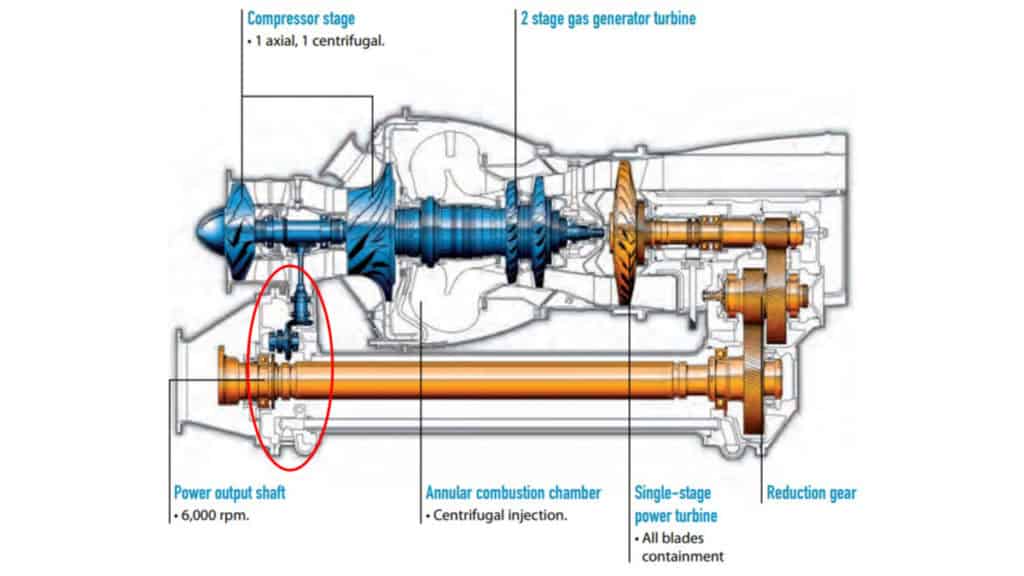
The accessory gearbox is driven off the shaft between the two compressors. Its job is to run all the ancillary equipment required to continue the engine running. The oil pump, fuel command unit, and starter/generator are merely some of the typical devices mounted and driven by the accessory gearbox.
If y'all would prefer a more visual tour of how this engine work please watch the video I created for yous:
To Terminate
No matter the size, price, and complexity of a helicopter engine its purpose is to provide reliable power to ensure the helicopter remains capable and condom.
Piston-powered helicopter engines are cracking for smaller helicopters and being cheaper to buy and run their price is perfect for grooming helicopters or individual owners.
Once the helicopters brainstorm to become bigger the ability required to operate them increases dramatically. This is when the high power to weight ratio of the gas turbine engine comes in, merely at a price.
Having flown both types of engine I can tell you that when the engine delivers lots of extra power then things you can do and heights and speeds y'all can reach in a helicopter really make the flights incredible.
Piston or turbine, the pick really depends on the helicopter its going into.
Further Reading
If y'all found this commodity interesting and would like to keep reading, I highly recommend the following articles from my blog:
- Helicopter Engine Failures – A Pilot Properly Explains!
- Exercise Helicopters Have Autopilots? Depends If You Take $$$!
- What Is A Helicopter Blade Made of? It Used To Exist Wood!
- How Do Helicopters Turn? Like shooting fish in a barrel However Circuitous!

dunbarshimill1979.blogspot.com
Source: https://pilotteacher.com/how-do-helicopter-engines-work-your-ultimate-guide/
0 Response to "Animation Again and Then Do Your Ultimate"
Post a Comment